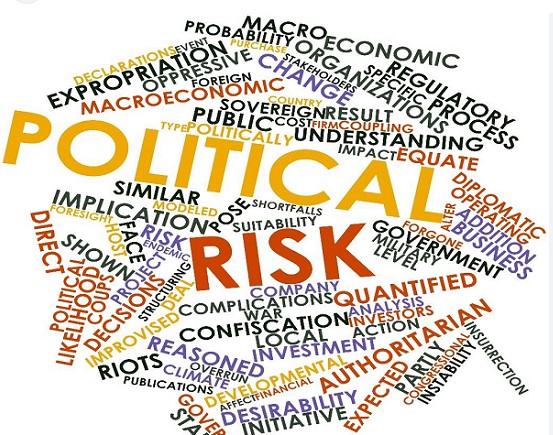
Business is significantly impacted by politics in a number of different ways. Here are some ways politics may have an impact on business. Politics is a significant factor in determining the regulatory framework in which businesses operate. Governments pass laws, rules, and policies that can directly affect corporate operations. These rules cover things like taxes, workplace policies, consumer protection, environmental protection, and industry-specific rules. Regulations may change as a result of political changes, which may then have an impact on how firms conduct their operations and make choices.
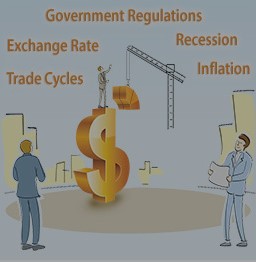
Economic Policies: Trade agreements, taxes, fiscal and monetary policies, and other economic decisions can have a big impact on firms. Government actions regarding taxation, interest rates, expenditures, and incentives for particular industries can have an impact on the general economic environment and have a direct impact on how businesses operate, how investors choose to make investments, and how consumers behave.
Political Stability: Business operations and investments depend on political stability. Businesses can make informed judgments and feel secure and predictable in stable political situations, which enables them to formulate long-term plans. On the other hand, political instability can breed uncertainty and have a detrimental effect on investment and corporate confidence due to changes in the administration, civil unrest, or policy.
Political decisions regarding trade agreements and international relations have a big impact on companies involved in international trade. Tariffs, import/export laws, trade restrictions, and international relations can all have an impact on price. Changes in trade agreements or political alliances can upend long-standing business connections and force companies to alter their business plans.
Politics can impact consumer behavior and shape public opinion and reputation. Businesses that are perceived as having a political agenda or becoming involved in divisive issues risk backlash from the public or boycotts. On the other hand, companies with a positive public image and improved reputations are those that support well-liked political issues or exercise social responsibility.
It's vital to remember that depending on the nation, political system, and unique circumstances, the influence of politics on business might change. To successfully manage the volatile political landscape, businesses must closely follow political changes, participate in government activities, and adapt their plans.