
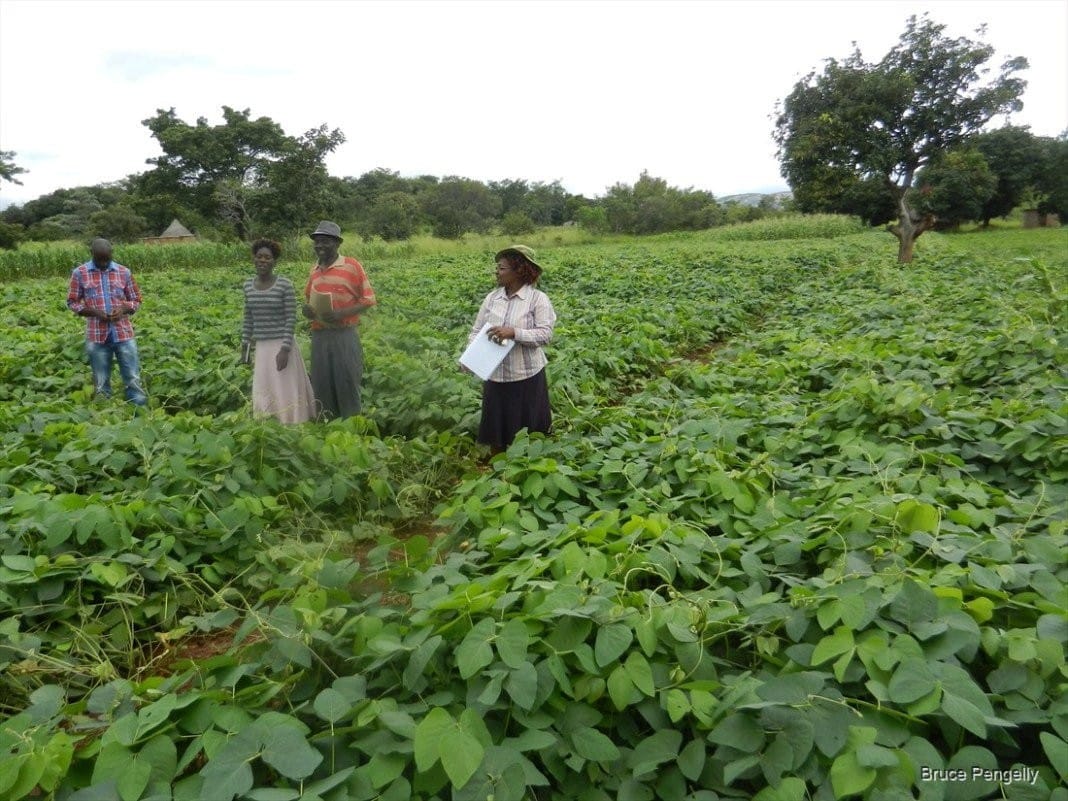
According to the latest agricultural reports, Farmers in Njoro, Nakuru county have adopted a bean variety known as Mucuna which will be useful to fertilize their soils. The farmers intercrop Mucuna beans with staple crops like maize, a move that has seen some double yields even as their counterparts struggle with the application of conventional fertilizers.
However, Bizna advertisement a potent nitrogen-fixing plant, mucuna beans can fix 150 kg of nitrogen for every hectare. Additionally, the bean helps produce about 35 tonnes of organic matter each acre.
"We learned about the use of the bean from our forefathers who never used any commercial fertilizers, yet low yields and weeds were alien to them. To those who have crossed over to our side, the results have been instant and commendable,” said Kariuki Mworia, one of the farmers who has never used conventional fertilizers since he started farming.
The Mucuna crop is used as a cover crop, and the fields' leaves are left to naturally degrade. Crop growth and yield are enhanced as a result of this practice's enhancement of soil structure, moisture retention, and nutrient availability.
Meanwhile, the bean also has the potential to prevent soil erosion and manage weeds, which are both excellent qualities. The crop is not recommended for food by humans or animals, and some accounts claim that it is harmful and poisonous to livestock so you should always take care of your castles when grazing around this crop.
Remember to like and share.

 Please wait...